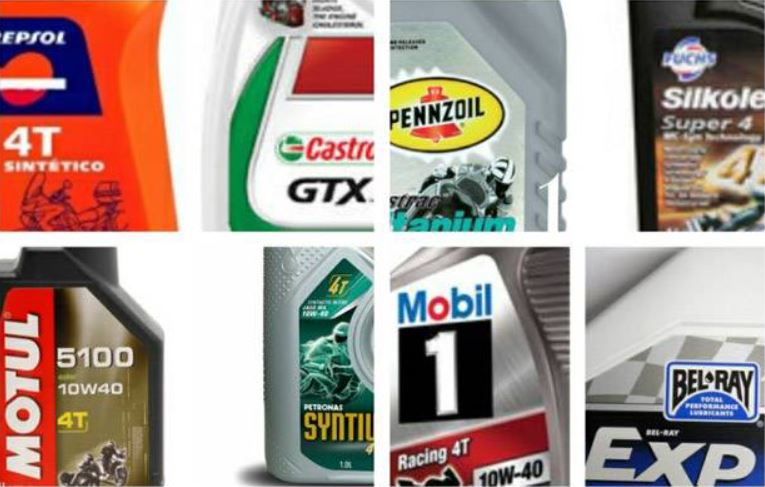
Every week I have at least one customer standing at the counter holding two bottles of oil, genuinely paralyzed by indecision, asking me which one actually deserves the extra money. The oil aisle at any auto parts store has turned into a wall of marketing claims—full synthetic, synthetic blend, high mileage, conventional—and most of it reads like it was written to confuse you into buying the most expensive bottle rather than the right one. I’ve drained thousands of quarts out of thousands of engines at this point, and I can tell you firsthand that the differences between these oil types are real and meaningful, but they’re not always the differences the marketing implies. Today I want to break down what’s actually happening inside your engine with each oil type, when spending more genuinely pays off, and when you’re just throwing money away.
What Actually Separates Conventional From Synthetic at the Molecular Level
Conventional oil is refined directly from crude oil, which means its molecular structure is naturally inconsistent—some molecules are large, some are small, and they’re not uniform in shape or size. Synthetic oil, by contrast, is engineered in a lab to have uniform, consistently sized molecules, which is why it flows more predictably across a much wider temperature range. When I hoist a car up on the lift and drain the oil pan, this is usually what I see with conventional oil that’s been run for a while: it tends to carry more visible sludge and darker sediment, especially in engines that see a lot of short trips or stop-and-go city driving, because the inconsistent molecular structure breaks down faster under heat stress and doesn’t resist oxidation as well.
Many drivers overlook this, but from a mechanic’s perspective, the real critical point isn’t just about lubrication—it’s about how each oil type behaves during cold starts. Synthetic oil maintains a more consistent viscosity (viscosity being essentially how thick or resistant to flow the oil is) even in cold temperatures, meaning it reaches critical engine components like the camshaft and bearings faster during that first startup, when the vast majority of engine wear actually occurs. Conventional oil, especially in cold climates, can thicken up more noticeably overnight, leaving your engine running on marginal lubrication for those first crucial seconds before the oil warms and thins out properly.
I remember distinctly a Toyota Camry that came in a few winters back, owned by a customer who’d been running conventional oil for years without issue in a milder climate before relocating somewhere with harsher winters. He started noticing a faint knocking sound specifically on cold mornings that would disappear once the engine warmed up. After inspecting things, the wear pattern on his upper cylinder components was consistent with marginal cold-start lubrication—nothing catastrophic yet, but exactly the kind of gradual wear that synthetic oil is specifically engineered to reduce. Switching him to full synthetic didn’t just quiet the noise down; it was genuinely the right call for his new climate.
Synthetic Blend and High Mileage – The Middle Ground That Actually Makes Sense for Some Cars
Synthetic blend oil is exactly what it sounds like—a mixture of conventional and synthetic base oils, typically giving you some of synthetic’s oxidation resistance and cold-flow properties at a price point closer to conventional. In my experience, it’s vital to understand who this actually makes sense for. If you’re driving a newer vehicle with low mileage, under normal conditions, without heavy towing or extreme temperature exposure, a quality synthetic blend can genuinely provide adequate protection without the full synthetic price tag. It’s a reasonable middle-ground choice, not a compromise you should feel guilty about.
High mileage oil is where things get more specifically targeted, and it’s also where I see the most misunderstanding. High mileage formulations aren’t really about the oil’s base composition at all—they’re about additive packages designed to address problems that develop as engines age and accumulate wear. These formulations typically include seal conditioners (additives that cause rubber gaskets and seals to swell slightly, helping close up microscopic gaps that develop as seals harden and shrink with age) along with higher concentrations of detergents to combat sludge buildup in engines that have already accumulated some internal wear.
What would you do if your older vehicle, past 100,000 miles, suddenly started showing a small oil spot on your driveway that wasn’t there a year ago? In my experience, it’s worth trying a high mileage formulation before assuming you need an expensive seal replacement. Back when I was an apprentice mechanic, one of the biggest trial-and-error mistakes I made was recommending a full gasket replacement to a customer with a minor rear main seal weep, when a simple switch to high mileage oil with proper seal conditioners actually resolved about 80% of his leak within a few oil change cycles. That’s not to say high mileage oil is magic—it won’t fix a genuinely torn or hardened seal—but for minor seepage in older engines, it’s a legitimately effective and vastly cheaper first step before jumping to a $400 to $800 gasket repair.
Full Synthetic – When It’s Worth the Extra Cost and When It Genuinely Isn’t
Full synthetic oil commands a real price premium, typically running $60 to $100 for a full oil change compared to $35 to $55 for conventional, and I get asked constantly whether that gap is actually justified. Here’s my honest professional answer: it depends heavily on your driving conditions and your engine’s specifications, not just on wanting “the best” for its own sake. If your vehicle’s manufacturer specifically requires synthetic oil—which is increasingly common on turbocharged engines and many newer models with tighter tolerances—that’s not optional, and using conventional oil in these engines can actually void your warranty and lead to accelerated wear because these engines are engineered around synthetic oil’s specific properties.
Just last week, a client brought in a Honda Civic with a turbocharged engine, and he’d been using conventional oil for two oil changes because a quick-lube shop had talked him into it as a cost-saving measure. Turbocharged engines run significantly hotter than naturally aspirated ones because the turbo itself generates substantial heat, and conventional oil breaks down faster under that sustained thermal stress. When I checked his oil at the next service interval, it had already darkened and thinned noticeably more than I’d expect from a synthetic at the same mileage, which told me the additive package was degrading faster than it should. I switched him back to the manufacturer-specified full synthetic, and beyond just following the spec sheet, it was the financially smarter move long-term given how much more a turbocharger replacement costs compared to the oil price difference.
For naturally aspirated engines in older vehicles doing mostly highway driving in moderate climates, I’ll be honest with you—the performance gap between a quality synthetic blend and full synthetic is often smaller than the price difference suggests. This is one of those areas where mechanics sometimes upsell full synthetic across the board because it’s simply easier than explaining the nuance, but you deserve the real answer.
[Engine Oil Type Comparison: Performance, Cost, and Best Use Case]
| Oil Type | Cold Start Protection | Typical Cost (Full Change) | Best Suited For |
|---|---|---|---|
| Conventional | Moderate | $35-$55 | Older, simpler engines; mild climates; low annual mileage |
| Synthetic Blend | Good | $45-$70 | Newer vehicles under normal driving conditions |
| Full Synthetic | Excellent | $60-$100 | Turbocharged engines, extreme climates, high-performance driving |
| High Mileage | Good (with seal conditioning) | $50-$80 | Vehicles past 75,000-100,000 miles, minor seal seepage |
Change Intervals – Where the Real Money Gets Saved or Wasted
The oil type conversation is incomplete without talking about change intervals, because this is genuinely where I see drivers waste the most money. Many people are still operating under the old “every 3,000 miles” rule, which honestly hasn’t applied to most modern full synthetic oils in years. Full synthetic oil can typically go 7,500 to 10,000 miles between changes under normal driving conditions, which means the higher upfront cost per change is often offset, or even outweighed, by needing far fewer changes annually compared to conventional oil’s 3,000 to 5,000 mile intervals.
Many drivers overlook this, but from a mechanic’s perspective, the real critical point is that “normal driving conditions” is doing a lot of heavy lifting in that recommendation. If you’re doing frequent short trips under five miles, extensive idling, towing, or driving in extreme heat or cold, you fall into what manufacturers classify as “severe service,” and your interval should be cut closer to the 5,000 mile mark regardless of oil type, because these conditions accelerate oil breakdown and contamination significantly faster than steady highway driving does.
My Final Take and What You Should Actually Do
If I had to distill years of draining oil pans into one piece of advice, it’s this: match your oil to your engine’s actual requirements and your real driving conditions, not to whatever premium marketing convinces you that you need. Check your owner’s manual for the manufacturer’s specified oil type before anything else, because using anything below spec on a modern turbocharged or tightly-toleranced engine isn’t a minor shortcut, it’s a genuine long-term risk to components that cost thousands to replace. If your engine doesn’t specifically require synthetic and you’re doing mostly moderate, normal driving, a quality synthetic blend is a financially sound choice that won’t leave your engine underprotected. And if you’re past the 75,000 mile mark and starting to notice minor seepage or a slightly louder cold start, try a high mileage formulation before you assume you need expensive seal work—it’s a cheap first step that solves the problem more often than people expect.
Leave a Reply