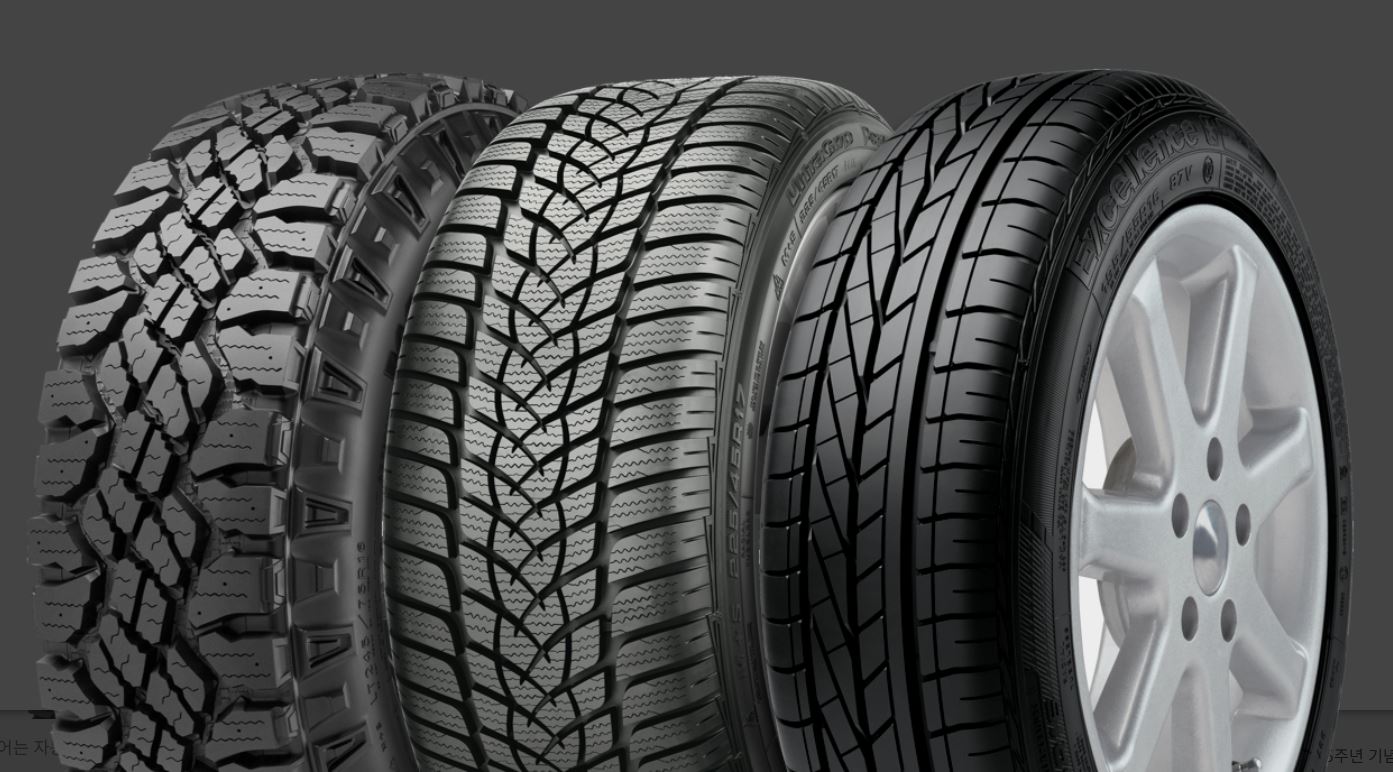
Every week, somebody rolls into my bay, points at their tires, and asks the same nervous question: “Do these still have life in them, or am I gambling with my family’s safety?” And honestly, I get it. Tires aren’t cheap, and nobody wants to drop four to eight hundred dollars on something that “still looks fine” to the untrained eye. But here’s the thing I’ve learned after a decade of hoisting cars up on the lift and running my thumb across thousands of tread patterns: tires rarely fail the way people expect. They don’t just blow out of nowhere. They whisper warnings for weeks, sometimes months, before they scream.
I still remember a call I got last spring from a woman driving a Toyota Camry who hydroplaned on a rainy highway ramp doing maybe 45 miles an hour. She wasn’t hurt, thank God, but her front bumper wasn’t so lucky. When she brought the car in, I checked her tread depth and it was sitting right around 2/32 of an inch — legally still “passable” in a lot of states, but functionally useless in the rain. She told me she had no idea it was that bad because the tires “still had rubber on them.” That’s the trap. Having rubber left and having safe rubber left are two completely different things, and that gap is where most tire-related accidents happen.
The Penny Test Isn’t Enough — Here’s What I Actually Check
Almost every driver knows the classic penny test: stick Lincoln’s head into the tread groove, and if you can see the top of his head, you’re below 2/32 of an inch and it’s time to replace. It’s not a bad starting point, but honestly, it’s a blunt instrument. When I’m doing a real inspection, I’m using a tread depth gauge (a small tool with a spring-loaded probe that gives an exact measurement in 32nds of an inch) at multiple points across the tire — inner edge, center, and outer edge — because tires rarely wear evenly.
What does uneven wear actually tell you? If the outer edges are bald but the center still has good tread, that usually points to underinflation, where the tire is riding on its shoulders instead of its full contact patch. If the center is worn down but the edges look fresh, you’re probably overinflated, and the tire’s been bulging out and taking all the abuse right down the middle. And if one side of the front tires is chewed up more than the other, I’m immediately thinking alignment issue or a worn suspension component — a tie rod end or a control arm bushing that’s let the wheel drift out of spec (this is the hardware that connects your steering system to the wheel hub and keeps everything pointed the direction you intend).
Here’s a question worth sitting with: when’s the last time you actually ran your hand across your tread, not just glanced at it from standing height? Because your fingers will catch cupping — that scalloped, wavy wear pattern — long before your eyes will, and cupping almost always means a worn-out shock or strut that’s letting the tire bounce instead of gripping smoothly.
It’s Not Just About Tread Depth — Age Matters More Than People Think
This is the part that catches even careful drivers off guard. A tire can have plenty of tread left and still be dangerous because of dry rot, which is what happens when the rubber compound breaks down chemically over time from UV exposure, heat cycles, and ozone in the air. I’ve pulled tires off cars that had 6/32 of tread remaining — technically “fine” by depth standards — but the sidewalls were laced with hairline cracks, almost like the surface of dried-out mud. That tire is a time bomb, especially at highway speed where heat builds up fast and a compromised sidewall can separate or blow without warning.
Every tire has a DOT code molded into the sidewall, and the last four digits tell you the week and year it was manufactured — for example, “2219” means the 22nd week of 2019. As a rule I give my customers straight: once a tire hits six years old, I want eyes on it every single oil change, checking specifically for sidewall cracking, bulging, or any distortion. Once it hits ten years, I don’t care what the tread depth gauge says — that tire is coming off the car. Rubber compound degrades whether you’re driving on it or not, which is exactly why that “barely used” spare tire sitting in your trunk since 2016 isn’t actually safe just because it’s got low mileage.
What would you do if you found a tire with almost no visible wear but it’s nine years old? A lot of drivers would keep driving on it because “it looks brand new.” I’d tell you to replace it before your next road trip, full stop. Looks lie. Chemistry doesn’t.
The Sounds and Feelings That Mean Trouble Right Now
Let’s talk about what a failing tire actually communicates to you while you’re driving, because this is the stuff you won’t find explained clearly anywhere else. A rhythmic thumping that speeds up as you accelerate — almost like a heartbeat coming through the floorboard — is often a flat spot or, worse, an internal belt separation where the steel belt layer inside the tire has started pulling away from the rubber. That’s not a “get it looked at next week” problem. That’s a “pull over and check right now” problem, because a belt separation can turn into a full tread separation at highway speed, and I’ve seen what that does to a vehicle’s stability. It’s not pretty.
A persistent pull to one side, where you have to fight the wheel to keep the car going straight, can mean uneven pressure between tires, a defective tire, or an alignment problem, but don’t ignore it hoping it’ll sort itself out — it won’t. And that low humming or roaring noise that gets louder with speed and doesn’t change when you brake? Nine times out of ten that’s irregular wear from an alignment or balance issue that’s been ignored a little too long.
Just last month, I had a regular customer bring in his Honda CR-V because he said the steering wheel was “buzzing” at 60 miles an hour. Turned out one of his tires had developed a small internal bubble on the inner sidewall — invisible unless you’re specifically looking for it — from hitting a pothole a few weeks earlier and not knowing it. That bubble was a weak spot ready to fail. We caught it in time. If he’d waited another few thousand miles, I genuinely don’t like thinking about how that story ends on the highway.
Mechanic’s Essential Checklist: Tire Replacement Timing
| Warning Sign | What’s Actually Happening | Urgency Level | Estimated Cost If Ignored |
|---|---|---|---|
| Tread at 2/32″ or below | Legal minimum reached, minimal water evacuation | Replace immediately | $80–$200 per tire vs. potential accident |
| Sidewall cracking (dry rot) | Rubber compound breaking down chemically | Replace within days | $600–$800 full set |
| Tire age 6–10 years | Compound degradation regardless of tread | Inspect monthly, plan replacement | Same as above |
| Bulge or bubble on sidewall | Internal structural failure, air pressure pushing through weak layer | Replace immediately, do not drive highway speeds | Tow + tire, $150–$300 |
| Cupping/scalloped wear | Worn shocks/struts causing tire bounce | Inspect suspension + replace tire | $400–$1,200 (suspension work included) |
| Uneven edge wear | Under/overinflation or alignment issue | Address root cause, then replace | $80–$150 alignment + tires |
| Rhythmic thumping while driving | Possible belt separation | Stop driving, inspect same day | Tow fee + $150–$250 tire |
What About “Best Time” in Terms of Season and Mileage?
Beyond wear and age, there’s a practical timing element drivers ask me about constantly, especially heading into fall. If you’re anywhere that sees real winter weather, I always recommend having your tires assessed before temperatures start dropping below 45°F consistently, because tire rubber compounds stiffen in the cold, and a tire that was marginal in summer becomes genuinely unsafe in winter, losing grip exactly when you need it most for braking on wet or icy roads. I’d rather my customers replace tires in October with good tread than limp through a Michigan winter on tires they were “going to replace in spring anyway.”
Mileage-wise, most all-season tires are rated somewhere between 50,000 and 80,000 miles depending on the manufacturer and compound, but that number assumes proper inflation, regular rotation every 5,000 to 7,000 miles, and decent alignment. I’ve seen tires rated for 60,000 miles die at 35,000 because nobody rotated them, and I’ve seen careful drivers stretch a set to 70,000-plus. Rotation is genuinely one of the cheapest insurance policies you can buy for tire longevity — it’s usually $20 to $40 at most shops, and it evens out wear so you’re not replacing two tires early while the other two still have plenty of life left.
My Final Verdict From the Garage Floor
If I’m being straight with you, waiting until a tire “feels dangerous” is waiting too long. Tires give you data constantly — through tread depth, through sidewall condition, through the sounds coming up through your floorboard and steering wheel — and your job as a driver isn’t to become a mechanic, it’s just to pay attention and get things checked before they become emergencies.
Here’s the checklist I’d want you to actually use, not just read:
Check your tread depth at three points across each tire monthly, not just when you remember. Look at your DOT date code and know exactly how old your tires are. Run your bare hand across the tread surface feeling for cupping or uneven wear patterns. Inspect sidewalls for cracking, especially if your car sits outside in direct sun. Get an alignment check if you notice any pulling, uneven wear, or if you’ve hit a significant pothole recently. And don’t wait for a blowout to teach you the lesson — get a professional set of eyes on your tires at every oil change, because that’s five minutes that could save you from a very bad day on the highway.
Leave a Reply