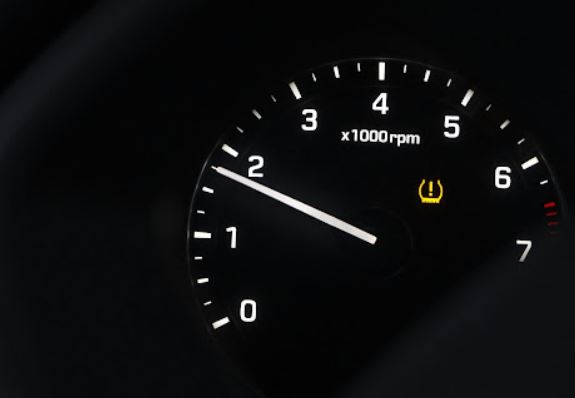
Every single week, at least one customer pulls into my bay with a dashboard warning light glowing and a look of mild panic on their face, convinced something catastrophic is wrong with their car. Nine times out of ten, I walk over with my gauge, check all four corners, and find they’re just running 4 or 5 PSI low. It seems trivial, almost embarrassing to make a fuss over. But here’s what most drivers don’t realize: that “small” pressure discrepancy is one of the most quietly destructive things you can do to your tires, your fuel economy, and in some cases, your safety on the road.
Tire pressure gets treated like an afterthought, something you check once a year if you remember, or only when a warning light forces the issue. In my ten years on the shop floor, I’ve seen more preventable tire failures, uneven wear patterns, and blown-out sidewalls caused by pressure mismanagement than almost any other single factor. So let’s talk about why that number stamped inside your driver’s door jamb matters so much more than people think, and why “close enough” really isn’t close enough when it comes to PSI.
The Physics Nobody Explains Properly
Here’s the thing about tire pressure that most articles gloss over: it’s not really about the tire at all, it’s about the contact patch, which is the small area of rubber actually touching the road at any given moment (usually about the size of your palm, depending on tire size and load). Everything about how your car handles, brakes, and wears down its tires comes down to that contact patch staying the correct shape.
When a tire is underinflated, the sidewalls flex outward and the tire bulges, which means more of the tire’s outer edges touch the pavement while the center rides slightly higher. When I hoist a car up on the lift and pull a tire that’s been running low for months, I can usually tell before I even check the gauge, just by looking at the wear pattern. You’ll see two distinct worn strips along both outer edges of the tread, with the center still looking relatively fresh. That’s underinflation wear, and it’s one of the clearest diagnostic signs in my job.
Overinflation does the opposite. The tire becomes rounder and stiffer than it should be, so the center of the tread bears most of the load and wears down faster than the edges. Many drivers overlook this, but from a mechanic’s perspective, the real critical point is that both of these wear patterns are permanent once they set in. You can correct the pressure after the fact, but you can’t undo the uneven wear that’s already happened. That tire is now compromised for the rest of its life, and it’ll need replacing sooner than it should have.
What would you do if you noticed your front tires were wearing faster on the outside edges than the inside? Most drivers assume it’s an alignment problem right away, and sometimes it is, but I always check pressure history first, because it’s the cheaper and more common culprit.
Why “Eyeballing It” Fails and Temperature Changes Everything
I hear this all the time: “I can tell if a tire’s low just by looking at it.” I’ll be honest with you, unless a tire is severely underinflated, that’s simply not true anymore. Modern radial tires (tires built with steel belt layers running radially across the tread for strength and stability) are engineered to look relatively normal even when they’re 15-20% below the recommended pressure. That visual cushion is exactly why so many drivers don’t catch the problem until it’s already caused damage.
This is where temperature becomes the sneaky variable that catches almost everyone off guard. For roughly every 10°C drop in ambient temperature, tire pressure drops by about 1-2 PSI, because the air inside the tire contracts as it cools. I see this constantly at the start of every winter season, drivers who had perfectly correct pressure in September suddenly showing up in November with a TPMS light on, convinced they have a slow leak. Most of the time, there’s no leak at all, it’s just the seasonal temperature swing catching up with them.
Just last month, a client brought in a Kia Sportage insisting she had a puncture because her low pressure warning kept coming on every few days. I checked all four tires, found no nails, no punctures, nothing visually wrong. I asked her when the light started, and sure enough it lined up almost exactly with the first cold snap of the season. Her pressure was reading 28 PSI in the front where it should have been 33. We aired everything up to spec, and the light didn’t come back on for the rest of the season. That’s a five-minute fix that saved her an unnecessary tire replacement she was already mentally preparing to pay for.
There’s a flip side too, and it’s just as important. In the heat of summer, especially after a long highway drive, tire pressure can read 3-5 PSI higher than your cold baseline simply from heat buildup through friction and ambient temperature. This is why I always tell customers to check pressure when tires are cold, meaning the car has been sitting for at least three hours or hasn’t been driven more than a couple kilometers. Checking pressure right after a drive gives you an inflated number that doesn’t reflect your actual baseline, and adjusting based on that reading will leave you underinflated once the tires cool back down.
The Real Safety and Financial Stakes
I want to walk you through what actually happens mechanically when a tire runs significantly underinflated, because this isn’t just about tread wear, it directly affects how your car behaves in an emergency. An underinflated tire generates more heat as it flexes through each rotation, since the sidewall is doing more work than it’s designed for. That heat buildup, especially on a highway drive in summer, is one of the leading contributors to sudden tire failure, the kind where a sidewall lets go at speed. I’ve responded to enough roadside situations in my career to tell you that a blowout at highway speed is genuinely one of the scarier things a driver can experience, and it’s almost always preventable with a two-minute pressure check.
Underinflation also increases your stopping distance in an emergency brake situation, because that distorted contact patch reduces the tire’s grip efficiency. On a wet road, this effect gets even more pronounced. I’ve had customers come in after a near-miss incident, shaken up, describing exactly this scenario, and when I check their tires, they’re running well below spec.
Then there’s the financial angle, which honestly should be reason enough on its own. Underinflated tires increase rolling resistance, meaning your engine has to work harder to maintain speed, and that translates directly into worse fuel economy, typically around a 1-3% loss for every 1 PSI below spec across all four tires. That might sound small until you calculate it over a full year of driving. On top of that, uneven wear from incorrect pressure can shave 15-20% off your tire’s usable lifespan, meaning you’re replacing a set of tires that could have easily gone another 10,000-15,000km if pressure had been managed properly.
Back when I was an apprentice mechanic, one of the biggest trial-and-error mistakes I made was assuming factory door-jamb pressure specs were universal across similar vehicles. I once advised a customer with a heavily loaded minivan to run the same pressure as a comparable sedan, purely from memory instead of checking her actual specification sticker. It wasn’t dangerous in her case, but it did contribute to faster wear on her rear tires. That mistake taught me to always physically check the sticker on every vehicle, every time, no matter how confident I feel about the number.
Here’s a table I keep taped up in my shop office and hand out to customers who ask about proper maintenance intervals:
| Mechanic’s Essential Checklist | Recommended Action | Why It Matters |
|---|---|---|
| Check pressure monthly | Use a manual gauge, not just TPMS | TPMS often only warns once pressure is significantly low |
| Check when tires are cold | Wait 3+ hours after driving | Heat from driving inflates readings temporarily |
| Adjust for seasonal temperature | Recheck at each major season change | Pressure drops ~1-2 PSI per 10°C temperature decrease |
| Match spec to door jamb sticker | Never guess based on tire sidewall max PSI | Sidewall number is the tire’s maximum, not your vehicle’s recommendation |
| Inspect tread wear pattern | Look for edge vs. center wear | Reveals under/overinflation history even after correcting pressure |
| Don’t forget the spare | Check it during regular pressure checks | Spares lose pressure too and are often neglected for years |
One point of confusion I clear up constantly: the number printed on your tire’s sidewall is not your recommended pressure, it’s the maximum pressure that tire can safely hold. Your actual recommended pressure is specific to your vehicle, not the tire, and it’s printed on a sticker inside your driver’s side door jamb, or in your owner’s manual. I’ve seen drivers inflate to the sidewall max thinking they’re being thorough, and end up with a harsher ride, reduced grip, and that telltale center-wear pattern within a matter of months.
Final Verdict and Your Action Checklist
My honest professional take is this: tire pressure is one of the cheapest, fastest maintenance checks you can perform, and it has an outsized impact on your safety, your fuel costs, and how much money you’ll spend replacing tires over the life of your car. There’s no reason to leave it to guesswork or wait for a warning light, because by the time that light comes on, you’re often already well below the safe threshold and the damage may already be underway.
Here’s what I want you to do this week. Find your vehicle’s actual recommended pressure on the door jamb sticker, not the tire sidewall. Buy a decent manual tire gauge if you don’t already have one; they cost less than a coffee and coincidentally are more reliable than most cheap digital ones. Check all four tires, plus your spare, while they’re cold, ideally first thing in the morning before you’ve driven anywhere. Adjust as needed, and make a habit of repeating this check monthly, with extra attention at the start of each new season when temperature swings are steepest. It’s a five-minute habit that will genuinely extend your tire life, improve your fuel economy, and keep you safer every time you’re on the road.
Leave a Reply