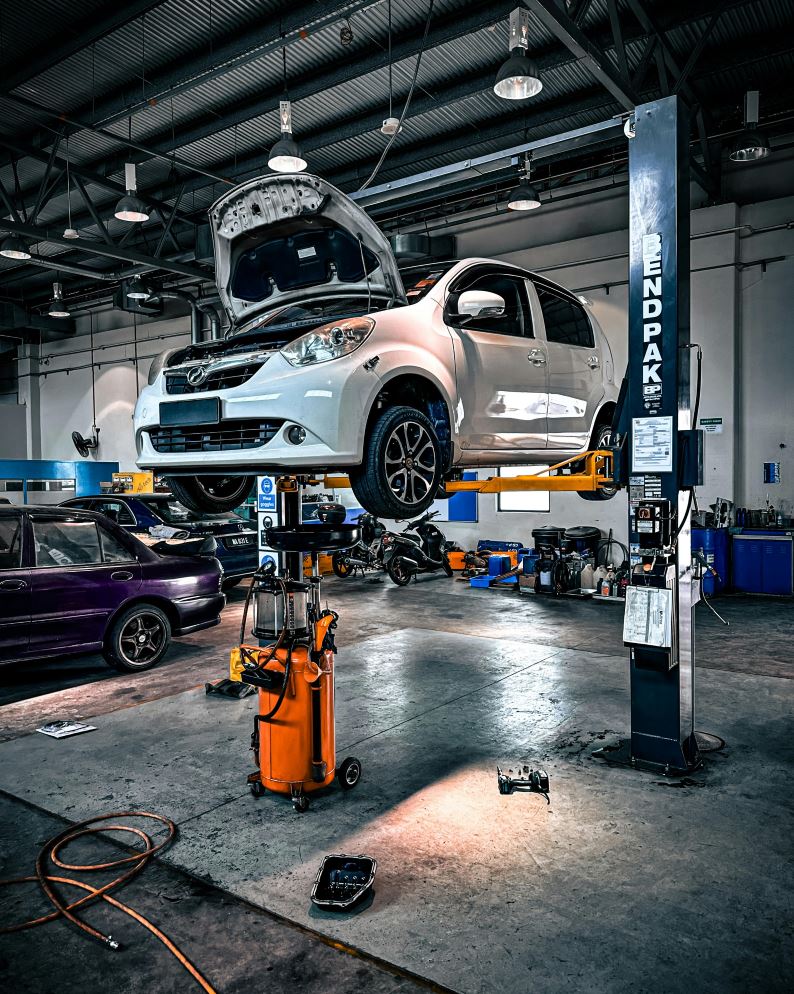
A few months back, a regular customer stormed into my shop holding a printout from some online forum, practically ready to fight me. “Why did you tell me to change my oil at 8,000km when this article says modern synthetic oil is fine until 15,000km?” I get this argument at least twice a month, and honestly, I don’t blame drivers for being confused. The oil change interval debate has become one of the most polarizing topics in car care, right up there with whether you really need to warm up your engine in winter.
Here’s the truth that nobody wants to hear: there is no single correct answer. When I hoist a car up on the lift and drain the oil, what I see tells me a story about how that specific vehicle has been driven, and that story is different for every single car that rolls into my bay. Today I want to walk you through exactly how I evaluate this for my own customers, because the 5,000km-versus-10,000km debate isn’t really about a magic number. It’s about understanding your engine, your oil, and your driving habits well enough to make the right call for your situation.
Why the “One Number Fits All” Myth Keeps Fooling Drivers
Manufacturers started stretching recommended oil change intervals over the last fifteen years, largely because of improvements in oil chemistry. Full synthetic oil has better thermal stability and resists breakdown longer than the conventional dino oil most of us grew up with. That’s a real, legitimate engineering fact. But here’s what gets left out of the conversation: those extended interval recommendations from manufacturers are almost always based on “ideal” driving conditions — highway commutes, moderate climates, no towing, no stop-and-go traffic.
Many drivers overlook this, but from a mechanic’s perspective, the real critical point is that almost nobody actually drives in ideal conditions. If you’re doing short trips under 10 minutes, idling in traffic, driving in extreme heat or cold, or towing anything, you’re in what manufacturers classify as “severe service” conditions — and that classification cuts your safe interval down significantly, sometimes by half.
I want you to picture this: when oil is cold, it’s thick and doesn’t lubricate as well until it reaches operating temperature (typically around 90-105°C). If your daily drive is a 12-minute school run, your engine barely gets warm before you shut it off. That means moisture and unburned fuel vapor never fully cook off, and they end up mixing into your oil, breaking it down chemically far faster than the odometer would suggest. I’ve pulled dipsticks on cars with only 4,000km on the oil that looked like they had 12,000km of highway miles on it, just because of this exact short-trip pattern.
What would you do if you found out your “gentle” city driving was actually harder on your engine than a highway road trip? Most drivers assume less driving equals less wear, but that’s backwards when it comes to oil degradation.
Reading the Oil Yourself: What a Mechanic Actually Looks For
I always tell my customers, don’t just trust the sticker on your windshield — trust your dipstick and your senses too. Here’s what I check every single time a car comes in for service, and what you can check yourself in about two minutes.
Pull the dipstick, wipe it clean, reinsert it fully, then pull it again. Fresh oil, even in a well-used engine, should have a slight amber-to-brown translucency when you smear a drop on a white paper towel. If it comes out looking like used motor oil straight from a jar — opaque black, gritty between your fingers, or smelling faintly of gasoline — that oil is done, regardless of what the mileage sticker says. A sharp, burnt smell specifically tells me the oil has been running hotter than it should, which sometimes points to a cooling system issue rather than just normal wear.
Texture matters more than color, honestly. Rub a drop between your thumb and forefinger. If it feels gritty or sandy, that’s metal particulates and carbon buildup, and it means the oil has lost its ability to suspend contaminants properly. Good oil, even dark oil, should still feel relatively smooth. This single check has saved more than a few of my customers from unnecessary panic, and it’s flagged real problems for others who insisted “the mileage isn’t up yet.”
Just last week, a client brought in a Hyundai Elantra with this exact issue. She was adamant her oil was fine because she’d only driven 6,000km since her last change, well within her “10,000km synthetic” plan. But she’d mentioned offhand that she does a lot of short grocery runs and sits in school pickup lines twice a day. Sure enough, the oil on the dipstick was thin, dark, and had that telltale burnt edge to the smell. Her driving pattern put her squarely in severe service territory, and she’d unknowingly been running degraded oil for weeks. We switched her to a 5,000km interval and she hasn’t had an issue since.
Building Your Personal Interval: A Mechanic’s Framework
Instead of picking a number off a forum, I walk customers through a simple framework based on three factors: oil type, driving pattern, and engine age or condition.
Conventional (mineral) oil breaks down fastest and generally needs changing every 5,000km regardless of driving style, because its additive package depletes quicker under heat cycling. Synthetic blend oil splits the difference, typically good for 6,500 to 8,000km under normal conditions. Full synthetic oil, when paired with genuinely normal driving (mostly highway, moderate climate, no towing), can often stretch to 10,000 to 12,000km safely. But that same full synthetic oil, in a car doing mostly short city trips or frequent towing, should still come back down to around 6,000 to 7,000km in my professional opinion, because the driving conditions are doing the damage, not the oil chemistry itself.
Engine age plays a role too, and this is something I don’t see discussed enough. Older engines, especially anything past 150,000km, tend to run slightly looser tolerances between components. That means more blow-by (combustion gases leaking past the piston rings into the crankcase), which contaminates oil faster. I generally recommend tightening the interval by about 15-20% once a vehicle crosses that mileage threshold, even if it’s running full synthetic.
Here’s a comparison table I hand out at my shop to help customers figure out where they land:
| Driving Condition / Oil Type | Conventional Oil | Synthetic Blend | Full Synthetic |
|---|---|---|---|
| Highway-dominant, moderate climate | 5,000km | 7,000-8,000km | 10,000-12,000km |
| Mixed city/highway, average conditions | 4,500km | 6,500km | 8,500-9,500km |
| Short trips, stop-and-go, extreme heat/cold | 3,500-4,000km | 5,000-5,500km | 6,000-7,000km |
| Towing, heavy loads, dusty roads | 3,000-3,500km | 4,500-5,000km | 5,500-6,000km |
| High-mileage engine (150,000km+) | 3,500-4,000km | 5,000-5,500km | 6,500-7,500km |
I’ll be upfront with you: some shops use “severe service” as an excuse to upsell unnecessary changes. If a mechanic tells you every single car needs a change every 5,000km no matter what oil or driving style, that’s a lazy, blanket recommendation, and it’s worth questioning. On the other hand, if a quick-lube place is pushing you toward 15,000km intervals on full synthetic just to make the price look attractive, be skeptical of that too — that’s stretching beyond what most manufacturers even recommend for ideal conditions, let alone real-world driving.
Back when I was an apprentice mechanic, one of the biggest trial-and-error mistakes I made was trusting mileage stickers without asking customers about their actual driving habits. I once serviced a delivery driver’s Kia Sorento strictly by the sticker interval, and about two years in, we found early signs of sludge buildup in the valve cover. That was a wake-up call. Mileage alone was never the full picture — it’s mileage combined with how those kilometers were actually driven.
Practical Costs and What’s a Fair Quote
Let’s talk numbers, because I know that’s ultimately what drives the decision for most people. A conventional oil change typically runs $40-60 at a shop. Synthetic blend lands around $60-85. Full synthetic usually comes in at $80-120, depending on your vehicle and how many liters your engine holds. If a shop quotes you significantly above that range without a clear explanation, ask what’s included; sometimes it’s bundled with a filter upgrade or a multi-point inspection that genuinely adds value, but sometimes it’s just markup.
| Mechanic’s Essential Checklist | What to Check | Why It Matters |
|---|---|---|
| Dipstick color and clarity | Amber to dark brown, not black | Indicates additive depletion level |
| Texture test | Smooth vs. gritty between fingers | Gritty = metal particulates, oil has failed |
| Smell test | Faint petroleum vs. sharp/burnt | Burnt smell suggests overheating or degradation |
| Oil level | Between min/max marks | Low level accelerates wear and heat buildup |
| Filter condition | Replaced every oil change | Clogged filter restricts flow, starves engine |
| Driving log review | Short trips vs. highway ratio | Determines true “severe service” classification |
Running your car on old, degraded oil isn’t a small risk. Worn-out oil loses viscosity stability, which means it can’t maintain that protective film between metal components under heat and pressure. Over time, this leads to increased friction wear on bearings and camshaft lobes, and in the worst cases I’ve seen, it contributes to premature timing chain stretch, which is a repair that can run well over $1,500 depending on the vehicle. Compare that to the cost of a few extra oil changes over the life of your car, and the math isn’t close.
Final Verdict and Your Action Checklist
My honest, no-upselling professional opinion is this: don’t anchor yourself to either 5,000km or 10,000km as gospel. Use the manufacturer’s recommendation as your starting point, then adjust based on your actual driving pattern and the oil type currently in your engine. If more than half your driving involves trips under 15 minutes, or you regularly deal with stop-and-go traffic, tow anything, or live somewhere with extreme seasonal temperatures, shift your interval toward the shorter end of whatever range your oil type allows.
Before you leave this article, here’s what I want you to actually do this week:
Check your owner’s manual for the specific oil type and manufacturer-recommended interval for your vehicle. Pull your dipstick right now and run the color, texture, and smell test I described above. Be honest with yourself about your driving pattern over the last month, and compare it against the table in this article. If you’re overdue based on that honest assessment, don’t wait for a dashboard warning light; get it changed this week. And if a shop ever pushes back on your questions about their interval recommendation, that’s a shop worth reconsidering, because a good mechanic should welcome an informed customer, not brush them off.
Leave a Reply