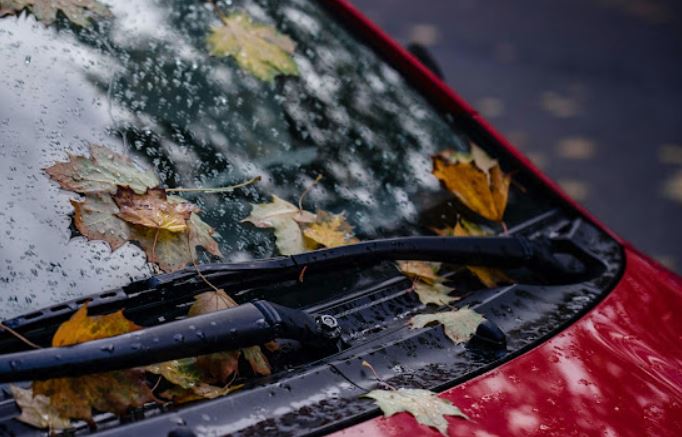
I had a customer roll into my bay last week during a sudden downpour, windshield wipers screeching and smearing water across the glass in these long, streaky arcs that made it nearly impossible to see the lane markings. She was frustrated, assuming her windshield had some kind of coating issue. I glanced at her wiper blades before I even touched the glass, and I already knew what the problem was. The rubber edge was cracked and curling like old dried leather. She’d been putting off replacing them for over a year because, in her words, “they still move back and forth fine.”
That’s the misconception I run into more than almost any other maintenance item in this shop. Drivers treat wiper blades as this trivial, forgettable part, something you only think about when it’s already pouring rain and you can’t see. But from where I stand, wiper blades are one of the most underrated safety components on your entire car, and letting them go past their usable life is a gamble most people don’t realize they’re taking until visibility drops to near zero in exactly the moment they need it most.
What’s Actually Happening Inside That Rubber Blade
Most drivers think a wiper blade is just a strip of rubber, and that as long as it’s physically attached and moving, it’s doing its job. In reality, the rubber edge (called the squeegee, which is the thin flexible lip that makes direct contact with the glass) is engineered with a specific bevel and flexibility that degrades constantly from the moment it’s installed. UV exposure, ozone in the air, and repeated temperature swings all break down the rubber’s molecular structure over time, a process called oxidation. This isn’t something you can really stop, only slow down.
When I pull an old blade off a car and run my thumb along the edge, I can usually tell within two seconds whether it needs replacing, just by feel. A healthy blade has a smooth, slightly soft edge that springs back cleanly when you bend it. A degraded one feels stiff, sometimes almost glassy, and if you look closely you’ll often see tiny hairline cracks running perpendicular across the rubber, like the cracks in dry riverbed mud. Those micro-cracks are the real problem, because they change how the blade contacts the glass. Instead of one continuous line of contact, you get dozens of tiny gaps, and that’s exactly what causes that streaking and skipping pattern drivers complain about.
Many drivers overlook this, but from a mechanic’s perspective, the real critical point is that wiper performance doesn’t fail all at once, it degrades gradually enough that most people don’t notice until it’s genuinely bad. You adapt to slightly reduced visibility without realizing it, the same way you don’t notice a slow leak in a tire until it’s significantly low. By the time you consciously think “these wipers are getting bad,” they’ve usually already been compromised for a couple of months.
What would you do if you were driving through highway spray from an eighteen-wheeler and your wipers just smeared the water instead of clearing it? That half-second of blindness at highway speed is genuinely dangerous, and it’s almost entirely preventable with an $20-40 part that takes five minutes to swap.
The Warning Signs I Look For and What They Actually Mean
There are a handful of specific symptoms I train my apprentices to recognize immediately, because each one points to a slightly different stage of wear. Streaking, where you get a thin line of water left behind after each wipe, usually means the rubber edge has developed those micro-cracks I mentioned, or there’s a small nick from debris that’s disrupting the smooth contact line. Skipping or chattering, that jerky, stuttering motion across the glass, often means the rubber has hardened and lost its flexibility, so it’s no longer conforming smoothly to the slight curve of your windshield.
Then there’s the squeaking noise, and I want to be specific here because the sound itself tells you something. A high-pitched, rhythmic squeak that happens once per wipe cycle almost always means the blade is dry, hardened, and essentially just dragging rigid rubber across glass instead of gliding. That’s different from a lower, more irregular squeak, which sometimes points to a bent wiper arm rather than the blade itself, and that’s a separate repair. If you’re only replacing blades and the squeak persists, it’s worth having someone check the arm tension and pivot points too.
Just last month, a client brought in a Toyota Corolla complaining about a rattling, almost clunky sound during wiper operation, not the usual squeak. When I inspected it, the blade itself was fine, but the connector clip attaching it to the arm had worn loose, letting the blade wobble slightly with each pass instead of sitting flush. That’s a good example of why a proper inspection matters, because two different problems can produce a similar frustrating symptom, and swapping blades wouldn’t have fixed her issue at all. We replaced the connector and the blade together, and the noise disappeared entirely.
Here’s something else worth mentioning: winter is brutal on wiper blades in a way most drivers don’t anticipate. Ice buildup on the blade edge, combined with drivers who run their wipers across a frozen windshield before the defroster has cleared it, causes accelerated cracking and edge deformation. I see a noticeable spike in wiper-related complaints every year in the weeks following the first hard freeze. If you’ve scraped ice off your windshield and your wipers were frozen to the glass, always manually lift and free them before turning the car on, running a motor against frozen resistance can also burn out the wiper motor itself, and that’s a repair running $150-300 instead of a $30 blade.
Replacement Timing, Costs, and What a Fair Quote Looks Like
The general rule I give customers is every 6 to 12 months, but honestly, that range exists because climate and usage vary so much. If you live somewhere with intense sun exposure and hot summers, UV degradation happens faster, and you’re looking at closer to the 6-month mark. If you’re in a milder climate with moderate rain and less direct sun, you can often stretch toward 12 months, sometimes slightly beyond, as long as you’re doing the physical inspection I described rather than just going by a calendar.
I always tell people, don’t wait for a specific date, do the bend test every couple of months instead. Pull the blade away from the glass, run your finger along the rubber edge, and gently flex it. If it feels brittle, cracked, or doesn’t spring back with any elasticity, it’s time, regardless of how many months it’s been.
Cost-wise, this is genuinely one of the best DIY jobs available to drivers with zero mechanical experience. Basic wiper blades run $15-25 per pair for most standard sedans, while premium beam-style blades (a modern design without the traditional metal frame, which distributes pressure more evenly across the glass) run $30-50 per pair. Most auto parts stores will even install them for free if you buy the blades there, and doing it yourself takes about five minutes once you know the release mechanism for your specific clip type.
If a shop is charging you a labor fee just to install wiper blades, that’s worth questioning, since it’s genuinely one of the simplest jobs in the entire industry. A fair shop rate for wiper installation, if you’re not doing it yourself, should be minimal, often bundled free with an oil change or inspection rather than billed as a standalone labor charge.
| Component Replacement Schedule & Cost Comparison | Recommended Interval | Estimated Cost (Pair) | Warning Signs to Watch For |
|---|---|---|---|
| Standard wiper blades | 6-12 months | $15-25 | Streaking, minor skipping |
| Premium beam-style blades | 8-14 months | $30-50 | Slightly longer lifespan, better cold performance |
| Rear wiper blade (if equipped) | 12-18 months | $10-20 | Often forgotten, check separately |
| Wiper arm/connector inspection | Every 2 years or if noise persists | $20-60 if replacement needed | Rattling, wobble during operation |
| Washer fluid nozzles | Check each season | Minimal (cleaning only) | Weak or uneven spray pattern |
Back when I was an apprentice mechanic, one of the biggest trial-and-error mistakes I made was assuming all replacement blades were universal fits as long as the length matched. I installed a generic blade on a customer’s vehicle that had a slightly unusual arm connector, and within two weeks it had worked loose and was rattling against the glass. That taught me to always check the specific connector type for the vehicle, not just the blade length, because a mismatched fit can undo all the benefit of the fresh rubber.
It’s also worth mentioning washer fluid quality while we’re on the topic, because it directly affects how your new blades perform. Using plain water, especially in winter, can freeze in the reservoir or lines and leave you with zero spray exactly when you need to clear road grime. A proper washer fluid with the correct freeze-rating for your climate works with your wiper blades as a system, not as separate, unrelated parts.
Final Verdict and Your Action Checklist
My honest professional opinion is this: wiper blades are one of the cheapest, easiest safety upgrades available on your entire vehicle, and there’s no good reason to run them past their usable life. Reduced visibility during rain, snow, or highway spray is a genuine safety risk, and it’s one that costs less to fix than a single tank of gas.
Here’s what I want you to do this week. Step outside and physically bend each wiper blade edge between your fingers, checking for cracking, stiffness, or a glassy texture. Run your wipers on a dry windshield briefly, just long enough to check for streaking or skipping across the glass. If you notice any of these signs, or if it’s simply been over a year since your last replacement, pick up a new pair; it’s a five-minute job you can do yourself in a parking lot with nothing more than your hands. And don’t forget your rear wiper if your vehicle has one, since it’s the most commonly neglected blade on the entire car despite doing real work every time you reverse in the rain.
Leave a Reply