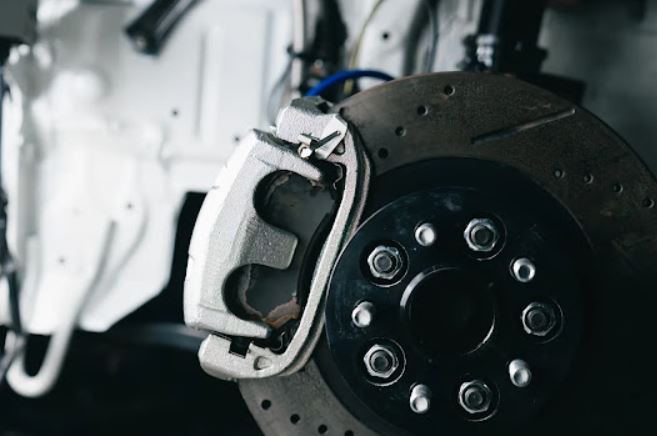
I had a customer pull into my bay a few months back white-knuckling the steering wheel, telling me her brakes had been “squealing a little” for about three weeks but she figured it could wait until her next oil change appointment. When I pulled her front wheels off, there was maybe two millimeters of pad material left on one side, and the wear indicator had already been grinding metal against her rotor for who knows how long. That visit ended up costing her almost triple what it should have. This is genuinely one of the most common ways I see drivers turn a routine maintenance item into an expensive repair, simply because nobody ever clearly explained what the actual warning signs mean and when you truly need to act.
The Sounds Your Brakes Make Actually Mean Something Specific
Most people think brake noise is just brake noise, but in my experience, it’s vital to understand that different sounds point to different stages of wear, and knowing the difference can save you hundreds of dollars. That thin, high-pitched squeal you hear when you first press the brake pedal, especially right after your car has been sitting overnight, is usually coming from a small metal tab called a wear indicator (a small spring-loaded piece built into the pad specifically designed to contact the rotor and make noise once the pad material gets thin). That sound is your car’s built-in early warning system, and honestly, it’s a gift. When I hoist a car up on the lift after a customer reports this exact squeal, I typically find pads still sitting around 3 to 4 millimeters, which means you’ve got some runway left, but you should be scheduling a replacement within the next few weeks, not months.
The sound that should genuinely worry you is different, a deeper, grinding, metal-on-metal noise, almost like a low growl that gets louder when you brake harder. Many drivers overlook this, but from a mechanic’s perspective, the real critical point is that this sound means your pad material is completely gone and the metal backing plate is now grinding directly against your rotor. What would you do if you heard this exact grinding sound tomorrow morning on your way to work? Honestly, I’d tell you to drive as little as possible and get it looked at that same day, because at this stage you’re not just facing a pad replacement anymore, you’re likely facing rotor replacement too, and that bill can jump from around $150 to $180 per axle for a straightforward pad job up to $400 or more once rotors are involved.
Reading Your Pads And Pedal Feel, Not Just Listening
Sound isn’t the only indicator, and honestly it’s not even the most reliable one, because plenty of pads wear down without ever making noise, especially on newer vehicles with ceramic compound pads that tend to be quieter overall. This is where actually looking at the pad, or paying attention to how your pedal behaves, becomes essential.
If you can see your wheels through the spokes, take a look at the pad pressed against the rotor. A healthy pad has a decent amount of visible thickness, generally you want to see at least a quarter inch of material, which is roughly the thickness of two stacked nickels. Once that pad looks thin as a coin, thinner than about 3 millimeters, you’re on borrowed time. Just last week, a client brought in a Hyundai Elantra for what she thought was just a routine inspection, and when I checked her rear pads, they were worn down to almost nothing, completely uneven too, thicker on one side than the other. That uneven wear told me immediately that one of her caliper slide pins was seized (the metal pins that allow the caliper to slide smoothly and apply even pressure across the pad), which is something a simple pad swap alone wouldn’t have fixed. We ended up cleaning and regreasing the slide pins as part of that job, which is a step some quick-lube shops skip entirely, and skipping it is exactly why some customers come back six months later with the same uneven wear problem.
Pedal feel matters just as much. If you notice your brake pedal sinking closer to the floor than it used to before you feel resistance, or if you feel a pulsing or vibration through the pedal when braking at highway speeds, these are both signs worth paying attention to. That pulsing feeling specifically often points to warped rotors rather than pad wear alone, which happens when rotors overheat and cool unevenly, developing thickness variations you can actually feel through the pedal.
Mileage Isn’t Useless, But It’s Not The Full Picture Either
I get asked constantly, “so what’s the actual mileage number I should watch for?” And I understand why people want a clean number, but the honest answer is that it varies wildly based on your driving style and environment. Back when I was an apprentice mechanic, one of the biggest trial-and-error mistakes I made was giving customers a blanket “every 50,000 miles” answer, because that number completely falls apart depending on the person. A driver doing mostly highway miles with steady braking might stretch their front pads to 60,000 or even 70,000 miles, while someone doing stop-and-go city driving, or frequent mountain descents using their brakes heavily, might burn through a set in 25,000 to 30,000 miles.
Front pads almost always wear faster than rear pads too, generally handling around 60 to 70 percent of your total braking force, so don’t be surprised if your mechanic tells you the fronts need replacement while the rears still have plenty of life left. That’s completely normal and not something to be suspicious about.
[Brake Pad Wear Indicator Checklist]
| Warning Sign | What It Means | Recommended Action |
|---|---|---|
| Light squeal on first brake press | Wear indicator contacting rotor, pads around 3-4mm | Schedule replacement within 2-4 weeks |
| Deep grinding, metal-on-metal sound | Pad material fully gone, backing plate exposed | Stop driving, get inspected immediately |
| Pad thickness under 3mm visually | Nearing end of usable life | Replace within days, not weeks |
| Pedal sinks lower than normal | Possible fluid leak or excessive pad wear | Get brake fluid and pads checked same week |
| Vibration or pulsing at highway speed | Warped or uneven rotor wear | Inspect rotors, may need resurfacing or replacement |
| Uneven wear side to side | Seized caliper slide pin | Clean and regrease pins during pad service |
The Cost Difference Between Acting Early And Waiting Too Long
I think the piece that really drives this home for people is the actual dollar comparison, because it’s rarely close. A standard front pad replacement job, done before rotors are damaged, typically runs between $150 and $220 depending on your vehicle and whether you’re using ceramic or semi-metallic pads. That’s a completely fair price range for quality parts and proper labor, including that slide pin service I mentioned earlier. Compare that to what happens when you wait until you’re grinding metal on metal. At that point, your rotors are almost certainly scored or warped beyond resurfacing, pushing that same job up to $350 to $450 per axle once you factor in new rotors. In the worst cases I’ve seen, waiting even longer can damage the caliper piston itself if it gets pushed too far out from the excessively worn pad, and that adds another $200 to $300 per caliper on top of everything else.
My Final Verdict And What You Should Do This Week
The best timing for brake pad replacement genuinely comes down to catching that early warning squeal and acting within a few weeks, not waiting for the grinding sound that tells you the damage is already spreading to your rotors. Don’t wait for a specific mileage number on your odometer, because your driving habits matter far more than any generic interval a manual gives you.
This week, take five minutes and actually look at your front pads through your wheel spokes if you can see them, or pay closer attention the next few times you brake at a stoplight for any squealing, grinding, or pulsing you might have been tuning out. If you’ve heard even a faint squeal recently and brushed it off, don’t wait for your next scheduled service, get it checked now. That single decision is the difference between a routine $180 repair and a much more painful $400 one down the road.
Leave a Reply