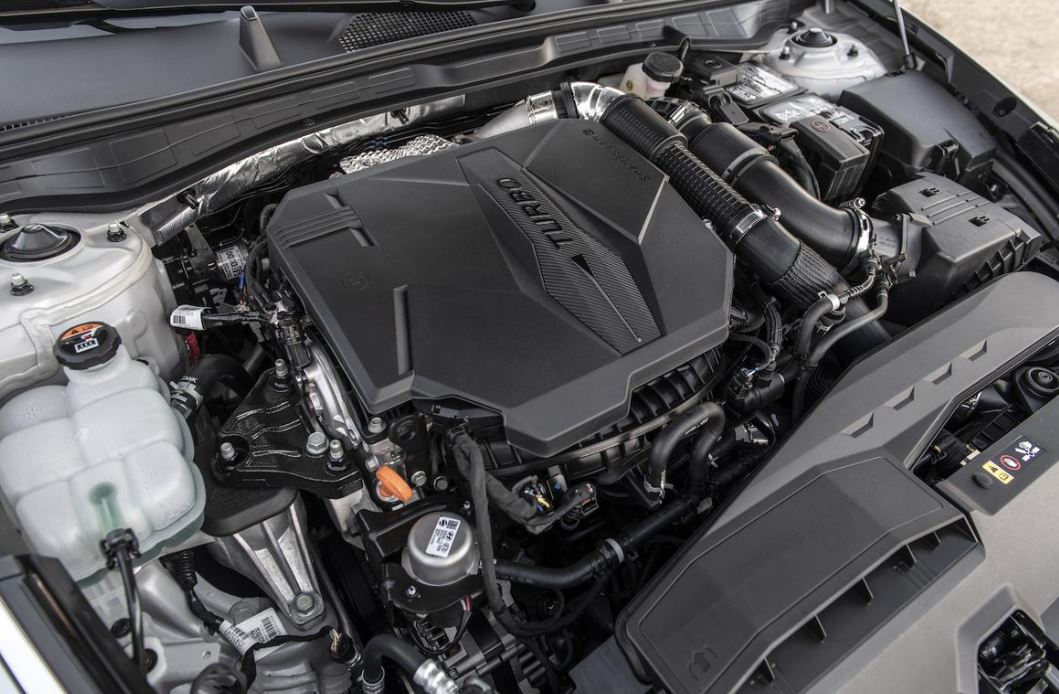
I see it constantly: a car rolls into my bay with a check engine light on, the customer already bracing for bad news, convinced they’re looking at a blown head gasket or a dying engine because the car is shaking at idle like it’s about to fall apart. Nine times out of ten in these cases, especially on four-cylinder engines with over 80,000 miles, the actual culprit is something the size of a beer can, tucked directly on top of a spark plug, quietly failing without anyone noticing until the engine starts running rough. Ignition coils don’t get nearly the attention they deserve in mainstream car care advice, yet they’re one of the most common failure points I deal with week to week, and understanding how they work can save you from a misdiagnosis that costs hundreds more than it should.
What an Ignition Coil Actually Does and Why It Fails
An ignition coil’s job sounds simple on paper: take the relatively low voltage from your car’s electrical system, around 12 volts, and transform it into the extremely high voltage, sometimes over 20,000 volts, needed to create a spark strong enough to jump the gap at your spark plug and ignite the compressed air-fuel mixture in your cylinder. It does this through a process of electromagnetic induction using two sets of tightly wound copper windings, called the primary and secondary windings, wrapped around an iron core. When current to the primary winding is suddenly cut off, it creates a rapid collapse in the magnetic field, which induces a massive voltage spike in the secondary winding, and that’s the spark you’re relying on with every single combustion cycle, thousands of times per minute at highway speed.
Many drivers overlook this, but from a mechanic’s perspective, the real critical point is that coils don’t usually fail instantly out of nowhere. They fail from heat cycling. Every time you drive, the coil heats up from normal operation, and every time you shut the engine off, it cools back down. Over tens of thousands of these heat cycles, the epoxy resin insulation inside the coil, the material that keeps the windings electrically isolated from each other, starts to develop microscopic cracks. Once that insulation breaks down enough, the coil starts arcing internally instead of delivering a clean spark to the plug, and that’s when you start seeing symptoms. When I pull a failed coil off an engine and crack open a bad one for inspection, this is usually what I see: a faint scorch mark or carbon tracking along the internal boot where the coil seats onto the spark plug, sometimes accompanied by a slightly melted or deformed rubber boot from the heat exposure. That visual alone tells me everything I need to know before I even test it.
Reading the Symptoms Correctly Before You Spend a Dime
Here’s where I want you to really pay attention, because misdiagnosing coil problems is one of the most expensive mistakes I see drivers make, usually because a shop with less attention to detail throws parts at the problem instead of actually pinpointing the failure. A rough idle combined with a check engine light is the classic presentation, and if you pull the code with a basic OBD2 scanner, you’re typically looking at a code in the P0300 to P0308 range, which indicates a cylinder misfire, either random across multiple cylinders or specific to one. What would you do if your scanner showed a P0302 code, specifically pointing at cylinder two? My answer, every time, is to start with the coil and spark plug on that exact cylinder before assuming anything more expensive is wrong, because a cylinder-specific misfire code is about as close to a smoking gun as this diagnostic process gets.
The sound and feel matters too, and this is something you genuinely develop an ear for over years in the bay. A failing coil under load, say during acceleration on the highway, often produces a distinct stumble or hesitation, almost like the engine briefly loses its rhythm before catching back up, sometimes happening in a repeating pattern every few seconds if the misfire is consistent. At idle, you’ll often feel it through the driver’s seat as a faint pulsing vibration rather than the smooth, steady idle you’re used to. I want to be clear about something important here, though: not every rough idle is a coil. Vacuum leaks, dirty throttle bodies, and fuel delivery issues can mimic these symptoms closely enough that an inexperienced ear might jump straight to coils and replace parts that were never the problem.
Just last week, a client brought in a Honda Civic with exactly this kind of confusion already baked into her repair history. She’d been to another shop two months earlier complaining of a rough idle, and they’d replaced all four spark plugs without pulling a single diagnostic code first, charging her nearly $300 in labor and parts. The rough idle persisted. When she came to me, I pulled the code within five minutes and found a stored P0304 pointing directly at cylinder four. A quick coil swap test, moving the coil from cylinder four to cylinder one and clearing the code, confirmed the misfire followed the coil rather than staying on the cylinder, which told me definitively the coil itself was bad, not the plug or something deeper in that cylinder. One new coil, about $65 for a quality OEM-equivalent part, and twenty minutes of labor solved what her previous shop couldn’t in an entire visit.
The Real Cost Breakdown and Why Replacing “Just One” Is Rarely the Smart Move
Ignition coil pricing varies more than most drivers expect, and this is exactly where I see people get taken advantage of or, on the flip side, cheap out in a way that costs them more down the road. A basic aftermarket coil for a common four-cylinder engine might run $30 to $50 per unit, while OEM or higher-quality aftermarket brands like NGK or Denso typically land between $60 and $90 each. On V6 and V8 engines with a coil-on-plug design, meaning each cylinder has its own dedicated coil sitting directly above the spark plug rather than sharing coils through a distributor, you’re looking at replacing anywhere from four to eight coils if you’re doing the job comprehensively.
Back when I was an apprentice mechanic, one of the biggest trial-and-error mistakes I made was replacing only the single coil that tested bad on a V6 with over 100,000 miles, rather than recommending the customer replace all of them at once. Coils on the same engine, exposed to the same heat cycles and mileage, tend to fail in a rolling pattern, meaning if one has failed from age-related insulation breakdown, its neighbors are usually not far behind. That customer came back three separate times over the following year, each time for a different failed coil, paying labor charges three separate times for essentially the same job. Had we replaced the full set during that first visit, she would have paid more upfront but saved significantly on repeat labor costs and repeat inconvenience.
This is exactly the kind of judgment call where an honest mechanic earns their trust, and where I think a simple reference table helps drivers understand what a fair recommendation actually looks like.
[Mechanic’s Essential Checklist: Ignition Coil Symptoms & Fair Cost Estimates]
| Symptom / Situation | Likely Cause | Fair Cost Estimate |
|---|---|---|
| Single cylinder misfire code (e.g., P0302) under 100k miles | Isolated coil failure | $65–$120 (one coil, part + labor) |
| Rough idle with no stored code | Vacuum leak or dirty throttle body, not coils | $0–$150 (diagnostic + cleaning) |
| Multiple misfire codes, high mileage (100k+) | Rolling coil failure across cylinders | $300–$600 (full coil set on 4–6 cyl engine) |
| Misfire only in wet weather | Cracked coil boot or spark plug tube allowing moisture intrusion | $65–$120 (coil and/or plug replacement) |
| Misfire under hard acceleration only | Weak coil struggling under high voltage demand | $65–$120 (coil replacement, test under load) |
One detail worth calling out from that table: misfires that only show up in wet weather are a very specific tell that experienced mechanics recognize immediately, and it’s one of the more satisfying diagnoses to make because the fix is usually straightforward. Moisture finding its way into a cracked coil boot creates a path for that high voltage spark to arc externally to ground instead of jumping the intended gap at the spark plug, which is why the car runs fine on dry mornings and stumbles the moment it rains.
My Final Verdict and What You Should Do This Week
Ignition coils are not glamorous parts, and they’ll never get the attention that brakes or tires get in mainstream car advice, but they’re directly responsible for whether your engine runs smoothly or shakes like it’s falling apart. If your check engine light comes on and you feel any kind of rough idle or hesitation, don’t guess and don’t let a shop guess either. Insist on having the diagnostic trouble code pulled and read to you before authorizing any repair, and if it’s a cylinder-specific misfire code, ask whether the coil swap test was performed to confirm the coil is genuinely the cause before you pay for parts. If you’re dealing with an engine over 100,000 miles and one coil has already failed, seriously consider replacing the full set rather than waiting for the rest to fail one at a time, because in my experience, the labor savings alone from doing it once instead of three separate visits makes that upfront cost the smarter financial decision every time.
Leave a Reply