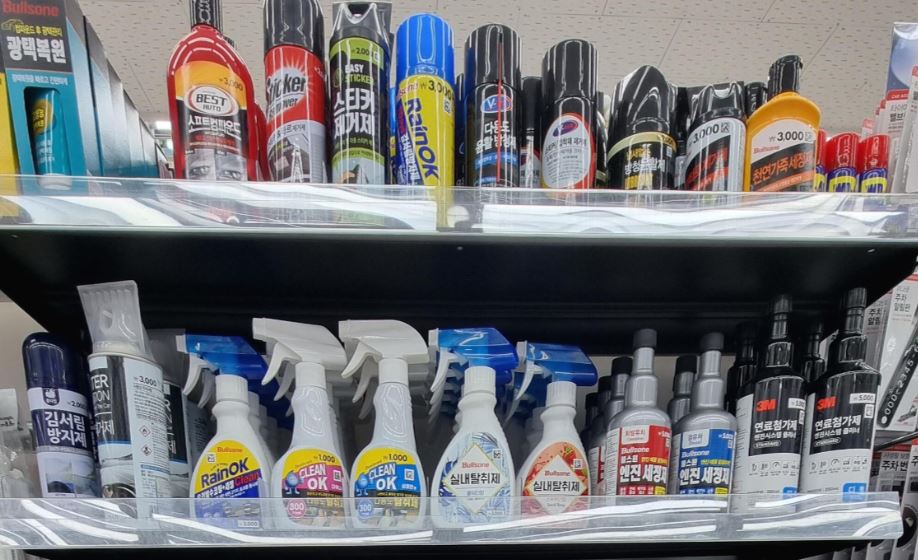
I’ve lost count of how many times a customer has sat across from me, pointed at an estimate, and asked, “Is this actually necessary, or are you just trying to upsell me?” I don’t blame them for asking. This industry has earned that skepticism over decades of shops padding invoices with services that do nothing but pad their bottom line. But here’s the frustrating flip side of that same coin: I also watch drivers skip genuinely critical maintenance because they’ve become so guarded against being sold to that they can’t tell the difference between a scam and a safety necessity anymore. Today I want to pull back the curtain from the other side of the counter and tell you plainly, item by item, what’s genuinely worth your money and what’s essentially flushing cash down the drain.
The Services Worth Every Penny
Let’s start with brake fluid flushes, because this is the one I see neglected most often and regret the most when it goes wrong. Brake fluid is hygroscopic, meaning it actively absorbs moisture from the air over time, even in a sealed system. That moisture lowers the fluid’s boiling point, and under hard braking, especially going down a long grade or during an emergency stop, that moisture can boil and create tiny vapor bubbles in your brake lines. Since air compresses and fluid doesn’t, this translates into a spongy, sinking brake pedal at the worst possible moment. Many drivers overlook this, but from a mechanic’s perspective, the real critical point is that this failure mode doesn’t announce itself with warning lights or dashboard alerts. It just quietly gets worse, and then one day your pedal goes soft going into an intersection. A flush every two to three years runs somewhere between $100 and $150 at a reputable shop, and I consider it one of the best insurance policies you can buy for your car.
Next on my “worth it” list is a proper wheel alignment, and I mean an actual four-wheel alignment on a laser-calibrated rack, not the eyeball job some quick-lube places advertise as a bundled deal. When I hoist a car up on the lift for an alignment check, this is usually what I see: uneven tire wear patterns, typically feathering on the outer edge of the front tires, that tell me the toe angle has been off for months, sometimes over a year. A single pothole hit hard enough, or a curb strike while parallel parking, can knock your alignment out just enough that you won’t feel it in the steering wheel, but your tires will feel it constantly. A set of good all-season tires runs $600 to $900 installed these days, and letting a bad alignment eat through them prematurely means you could be replacing that set a full year or two earlier than necessary. A proper alignment costs $100 to $150 and, in my professional opinion, pays for itself in extended tire life alone.
Cabin air filter replacement deserves a mention too, mostly because it’s so cheap and so commonly skipped. This filter cleans the air coming into your vehicle through the heating and air conditioning system, and it’s usually tucked behind the glovebox, not under the hood, which is exactly why people forget it exists. A dirty one restricts airflow, forces your blower motor to work harder, and can leave a musty smell in your cabin from trapped moisture and debris. At $20 to $40 for the part and maybe fifteen minutes of labor, this is genuinely one of the best value-per-dollar services in the entire maintenance world.
Where Shops Quietly Take Advantage of You
Now for the uncomfortable part, the services I consider a waste of money in the vast majority of cases, starting with engine flushes using aggressive chemical additives. These are typically sold as a way to “clean out sludge” before an oil change, and while there are legitimate rare cases, usually on badly neglected high-mileage engines, where a controlled flush makes sense, selling this as routine maintenance on a car with a reasonably consistent oil change history is, in my professional opinion, mostly unnecessary. Modern synthetic oils already contain detergent additives designed to keep your engine clean as part of normal operation. Adding an aggressive flush chemical on top of that can actually loosen sludge deposits that were doing the useful job of sealing minor gasket weeps, and I’ve personally seen flushes trigger new oil leaks on higher-mileage engines that were previously dry.
Fuel injector cleaning services fall into a similar category, and this is where I want you to think critically for a second. What would you do if a shop told you your fuel injectors needed cleaning during a routine oil change, with no check engine light, no rough idle, and no drop in fuel economy prompting the recommendation? My answer, every time, is to decline it. Quality fuel from a major brand station already contains detergent additives that keep injectors reasonably clean under normal driving conditions. Injector cleaning services, which typically run $100 to $150, make sense when you’re actually experiencing symptoms like hesitation, rough idle, or a check engine code pointing to a lean fuel condition. Selling it as a blanket recommendation on every visit, regardless of symptoms, is one of the most common upsells in this industry.
Then there’s the transmission flush conversation, which honestly deserves its own article because it’s more nuanced than a simple yes or no. On many modern vehicles, especially those with sealed, “lifetime fluid” automatic transmissions, an aggressive high-pressure flush can dislodge sediment and debris that had settled harmlessly at the bottom of the pan, sending it circulating through tight-tolerance valve bodies and clutch packs. I’ve seen transmissions that were shifting perfectly fine develop harsh shifting or slipping within weeks of an unnecessary flush. A simple drain-and-fill, done at the interval your manufacturer actually specifies, is usually the safer and cheaper route. Just last week, a client brought in a Toyota Camry after a quick-lube chain talked her into a full transmission flush at 45,000 miles despite her owner’s manual specifying 100,000 miles under normal driving conditions. Two weeks later, she came back with a hard shift between second and third gear that hadn’t existed before. We’re still monitoring it, but that’s exactly the kind of unnecessary risk I try to steer my customers away from.
How to Tell the Difference Yourself
Back when I was an apprentice mechanic, one of the biggest lessons I learned the hard way wasn’t about fixing cars, it was about watching how service writers at my first shop pitched extra work to customers who clearly didn’t know what questions to ask. I remember a service advisor recommending a full brake fluid, power steering fluid, and coolant flush all in the same visit to a customer whose car had none of the symptoms that would justify any of them being urgent. That experience is exactly why I built my own approach around one simple rule that I’ll share with you now: any legitimate recommendation should come with a specific, observable reason, not just a mileage number pulled from a generic service menu.
Here’s a straightforward way to evaluate any recommendation you receive at the counter, whether from me or from anyone else in this industry.
[Mechanic’s Essential Checklist: Worth It vs. Skip It]
| Service | Verdict | Reasoning |
|---|---|---|
| Brake fluid flush (every 2–3 years) | Worth it | Prevents moisture-related brake failure; symptoms don’t show until it’s dangerous |
| Wheel alignment (after impact or annually) | Worth it | Extends tire life significantly; cheap compared to premature tire replacement |
| Cabin air filter | Worth it | Low cost, easy DIY, directly improves air quality and blower performance |
| Engine flush (no symptoms present) | Skip it | Can loosen deposits sealing minor leaks; unnecessary on maintained engines |
| Fuel injector cleaning (no symptoms present) | Skip it | Modern fuel already contains detergents; only needed with actual performance symptoms |
| Transmission flush (outside manufacturer interval) | Skip it / Caution | High-pressure flush can dislodge debris in sealed systems; follow manufacturer schedule instead |
| Nitrogen-filled tires (already have air-filled tires) | Skip it | Marginal benefit over regular air; rarely worth the added cost for most drivers |
Whenever a service is recommended, ask specifically what symptom or measurement led to that recommendation. A trustworthy shop should be able to answer immediately, whether that’s a fluid test strip showing moisture contamination, a measured tread depth difference between the inside and outside of a tire, or a specific noise you described during intake. If the answer is vague, something along the lines of “it’s just good practice at this mileage,” that’s your cue to ask more questions or get a second opinion before authorizing the work.
My Final Take and What You Should Actually Do
Maintenance isn’t about spending as little as possible, and it isn’t about saying yes to everything a shop suggests either. It’s about understanding which services address real, physics-based failure points in your vehicle and which ones exist mainly to inflate a ticket. Prioritize your brake fluid, your alignment, and the cheap stuff like cabin filters that has an outsized impact for the price. Be skeptical, not dismissive, when someone recommends a flush or a cleaning service with no symptoms driving that recommendation, and don’t be afraid to simply ask why. The drivers who save the most money over the life of their vehicle aren’t the ones who refuse all maintenance, they’re the ones who know exactly which maintenance actually matters.
Leave a Reply